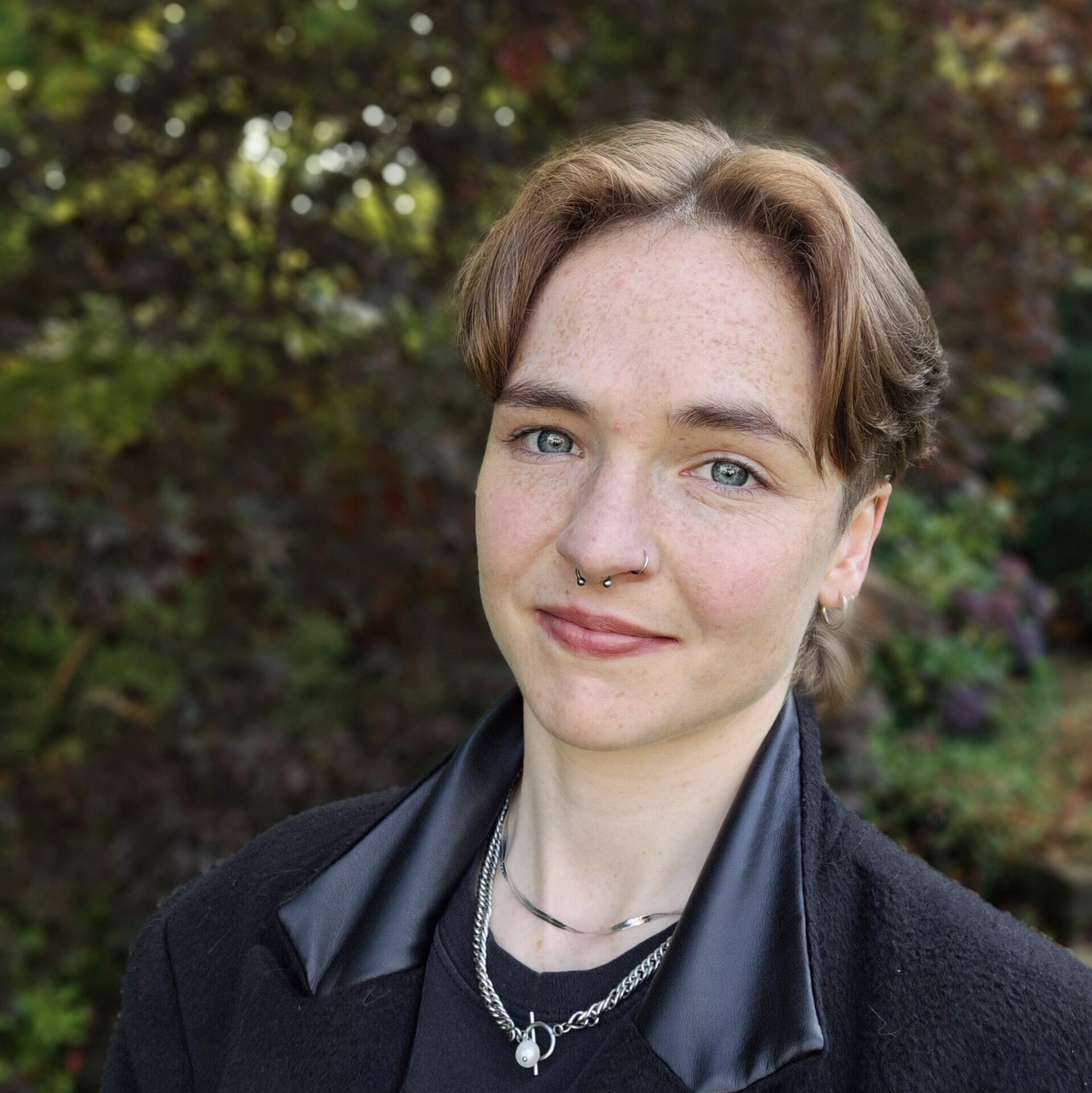
jane fae (L), director of TransActual, and actor, DJ, and LGBTQIA+ advocate, Ki Griffin (R)
However, even if you look past the subject matter, reporting can be dehumanising and insensitive. From our primary data, one article from The Sun deadnames the subject of its story. Deadnaming is the use of the name a person was known by before they transitioned. It can be unintentional, disrespectful, or a deliberate act of violence. Many media guides, such as from Transgender Europe and the Trans Journalists Association, stress that a person’s deadname should never be outed in the press.
In theory, there are safeguards in place, such as the Independent Press Standards Organisation (IPSO), the regulatory body for publications including The Sun. Its published guidance for journalists reporting on sex and gender identity advises that reporters “may use various methods to ensure coverage of sex and gender identity is accurate”. Clause 12 of the Code also addresses the use of prejudicial and pejorative language as part of wider rules on discrimination.
But IPSO isn’t clear about whose definition of “accurate” it’s referring to. A person with gender-critical views may not believe that someone’s sex can be changed. Their understanding of gender identity would be very different from that of a trans person. Similarly, Danny explains the protections offered under Clause 12 only apply to individuals. “The issue with IPSO is Clause 12 prohibits prejudicial or pejorative reference to an individual’s sex and gender identity. In other words, groups are fair game, individuals are not. So, you can get your Telegraph or Guardian or Times journalist writing whatever they like about trans people as a group.”
A spokesperson for IPSO clarified to Journo Resources that complaints brought under Clause 1 (Accuracy) are “assessed on a case-by-case basis”, depending on “what information was known publicly about an individual and also who was making the complaint”. They added: “Currently, Clause 12 (Discrimination) only applies to individuals and not groups.” While IPSO stresses that the Editors’ Code of Practice is reviewed regularly and that they welcome suggested amendments, the current guidelines leave room for interpretation. Without more clarity and a definitive list of what is transphobia, there’s space for some journalists to express prejudice towards their sources.
‘I’ve Been Misgendered In The Room’
Ki Griffin is a transmasculine non-binary actor, DJ, and LGBTQIA+ advocate. He says these problems also seep into in-person interviews: “I think the thing that concerns me the most is how you’re treating your interviewees in the room. I’ve had a handful of interviews where I’ve been misgendered in the room, but then it’s been corrected in the text. I can feel the air of uncomfortableness as a journalist approaches, because there’s this sense of general prejudice.”